
Durable Ground Cover That Stays in Place
Rock Installation in Melbourne for landscape beds requiring low-maintenance coverage, erosion-prone slopes, or accent areas around structures
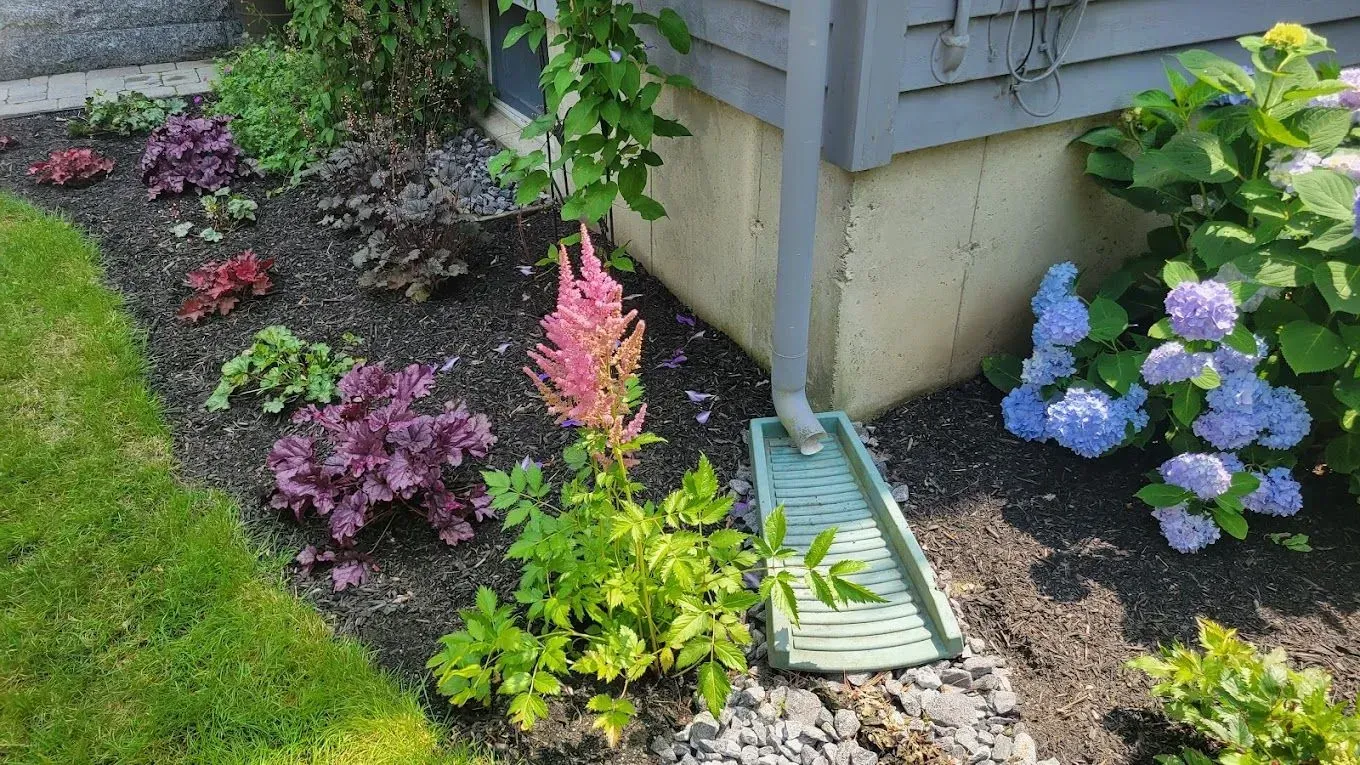
Decorative rock installations provide long-lasting landscape coverage that doesn't decompose, wash away during storms, or require annual replacement like organic mulches. The material works for accent areas surrounding architectural features, landscape beds where water runoff prevents mulch retention, and erosion control on slopes where soil displacement creates ongoing maintenance. Thomas Quality LLC installs rock in residential and commercial properties throughout Melbourne, selecting materials that complement existing hardscaping and architectural styles.
Rock installation requires subsurface preparation that organic mulch does not. Landscape fabric is installed beneath the rock layer to prevent weed growth while allowing water drainage, and fabric quality determines whether weeds eventually penetrate from below. Proper base grading ensures water flows away from foundations and doesn't pool in rock beds, which creates mosquito habitat and undermines the drainage benefits. Material size affects both appearance and function—smaller pea gravel shifts underfoot and migrates into turf, while larger river rock stays in place but creates gaps where weeds can establish if fabric fails.
Request a site evaluation to determine which rock type suits your drainage conditions and landscape design goals.
Site preparation begins with complete removal of existing vegetation and root systems, followed by soil grading to eliminate low spots where water collects. Commercial-grade landscape fabric is laid in overlapping sections to prevent separation, and edges are secured to stop fabric uplift during rock placement. Rock depth depends on material size—two to three inches for pea gravel, three to four inches for river rock—to provide full ground coverage without excessive weight on the fabric.
After installation, you notice clearly defined bed borders that don't require re-edging each season, stable ground cover that stays in place during heavy rain, and immediate visual contrast against surrounding turf or plantings. Rock doesn't fade or discolor like dyed mulches, and it doesn't blow away during tropical storms or high wind events. Maintenance involves occasional rinsing to remove accumulated dirt and leaf debris rather than annual material replacement.
The service includes fabric installation, rock delivery and placement, and edge definition using metal or plastic borders where needed. It does not include ongoing weed control if fabric degrades over time, or rock replenishment if material is displaced by landscaping equipment. Some properties combine rock and mulch installations, using rock for high-traffic or erosion-prone areas and mulch for planting beds where organic matter benefits soil quality.
What Homeowners Usually Ask About Rock
Rock installations involve upfront material and labor costs that differ from mulch, raising questions about long-term value and performance. These answers address common concerns for Melbourne properties.
What rock colors and sizes are available?
River rock ranges from white and tan to gray and brown in sizes from one inch to four inches diameter, while crushed granite and lava rock offer angular textures and darker color palettes that suit contemporary designs.
How does rock installation compare in cost to mulch?
Initial installation costs more due to material weight and fabric requirements, but rock lasts indefinitely with minimal maintenance compared to annual mulch replacement, making it more economical over five to ten years.
Why do weeds still appear in some rock beds?
Fabric deterioration, wind-blown soil accumulation on top of rock, or seed germination in organic debris that collects between stones all allow weed establishment despite initial fabric installation.
How do you prevent rock from migrating into adjacent turf?
Metal or plastic edging installed at the bed perimeter creates a physical barrier that contains rock while allowing mower access to turf edges without blade contact.
What areas benefit most from rock instead of mulch?
Slopes steeper than 15 degrees, beds within three feet of building foundations where termite concerns exist, and high-traffic pathways where mulch displacement creates constant reapplication needs all favor rock installation.
Thomas Quality LLC provides honest material recommendations based on your property's drainage, design preferences, and maintenance expectations. Contact us to schedule a free estimate for decorative rock installation that delivers lasting curb appeal with minimal upkeep.