Frequently Asked Questions
How does mulching help reduce weeds in Florida landscape beds?
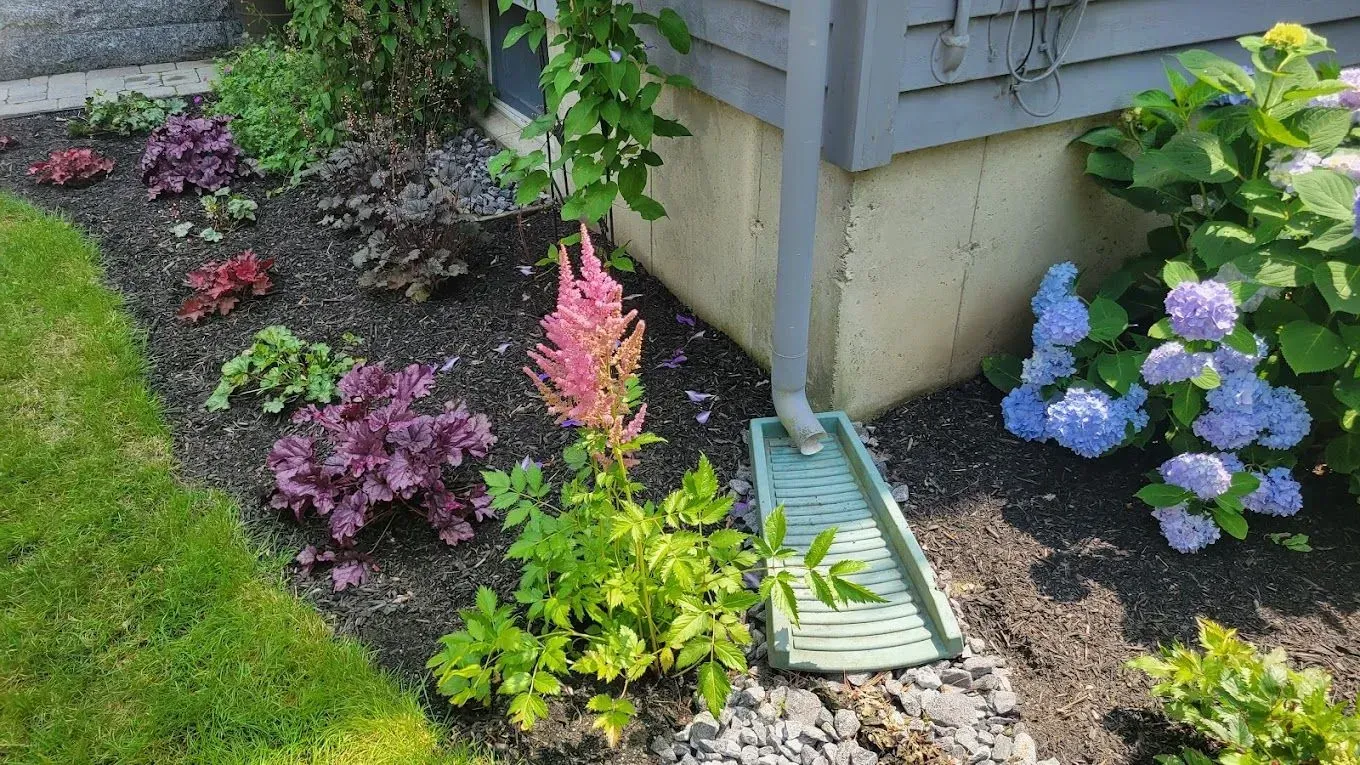
Mulch blocks sunlight from reaching weed seeds in the soil, preventing germination. A 2-3 inch layer creates a physical barrier while retaining moisture that benefits desired plants. In Melbourne's warm climate, mulch also moderates soil temperature swings that stress plant roots.What's the difference between wood chip mulch and decorative rock for landscape beds?
Wood chips decompose over time, adding organic matter to soil and requiring replenishment every 1-2 years. Decorative rock provides permanent, low-maintenance coverage that doesn't need replacing but doesn't improve soil. Rock works well in high-traffic areas and around drainage zones where organic mulch would wash away.When should you seal pavers in Florida's climate?
Seal pavers after installation once they've cured, then reseal every 2-3 years depending on sun exposure and traffic. Florida's UV intensity and frequent rain accelerate sealant breakdown. Sealing after surface cleaning and joint sand stabilization prevents moisture penetration, fading, and weed growth between pavers.What affects paver installation longevity in Melbourne?
Base preparation determines how pavers perform over time. Properly compacted gravel base prevents settling and shifting that creates uneven surfaces. Florida's sandy soil and heavy rains require deeper base layers than northern climates, and drainage planning prevents water pooling that undermines paver stability.How do you know when tree trimming is necessary instead of complete removal?
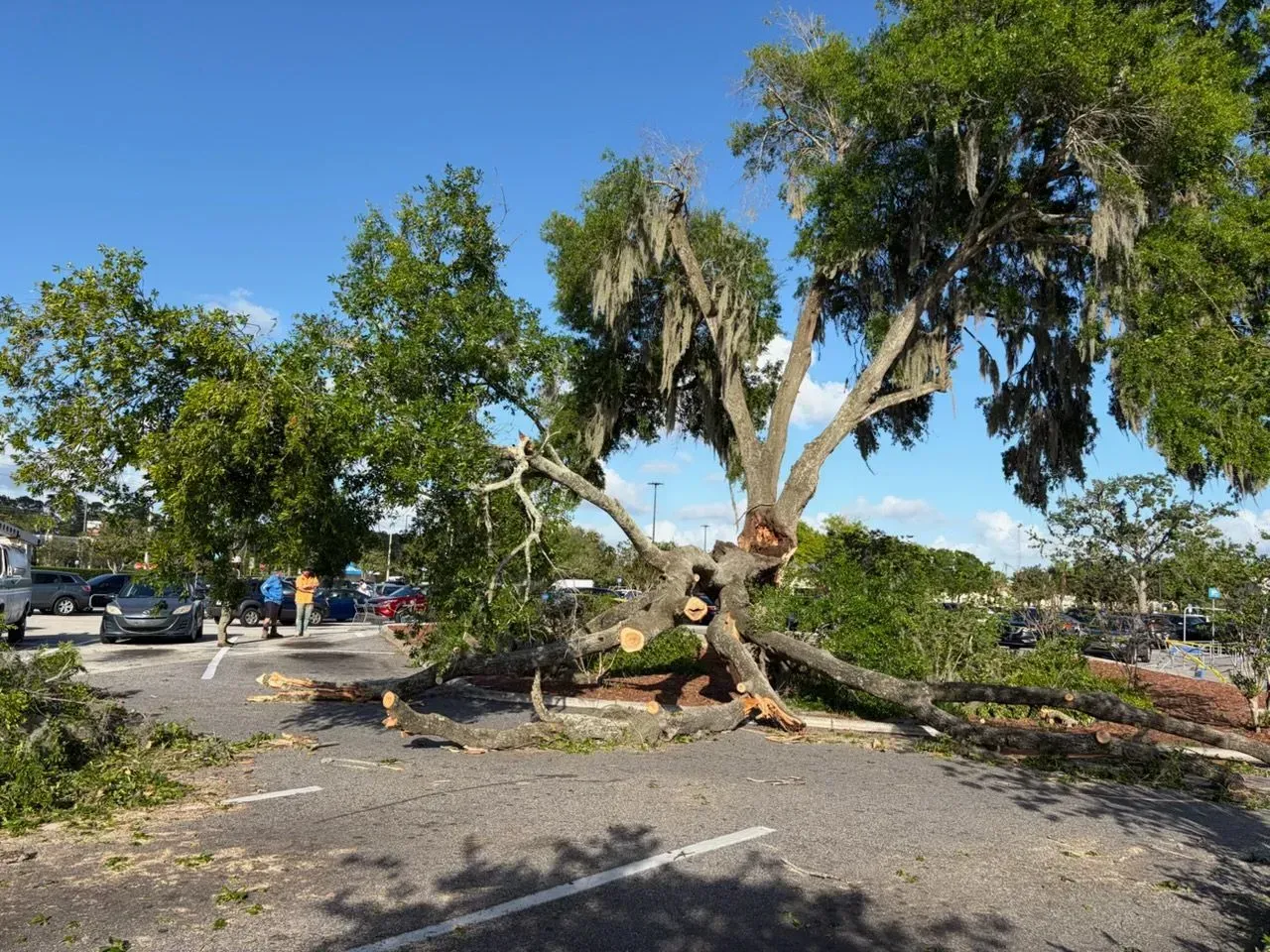
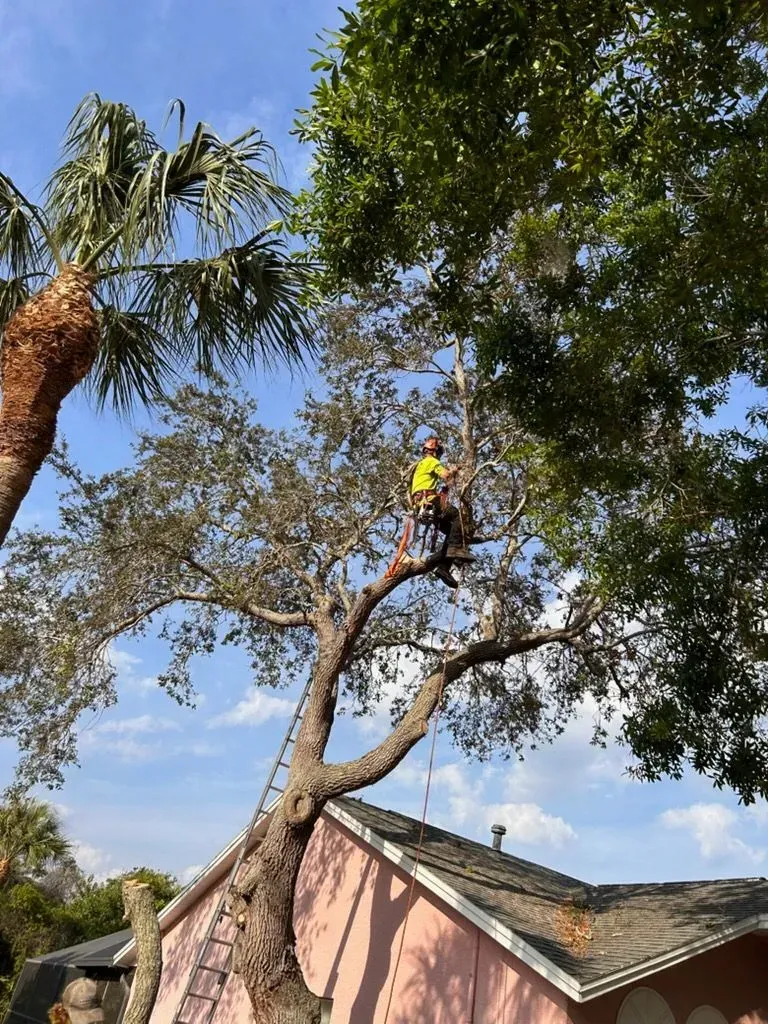
Trimming works when the tree's structure is sound but branches create hazards, block views, or interfere with structures. Removal becomes necessary when the trunk shows significant decay, root systems are compromised, or the tree leans dangerously. Storm-damaged trees with split trunks typically can't be saved through pruning alone.Why does garden bed edging make landscape maintenance easier?
Edging creates a physical barrier that prevents grass from creeping into beds and mulch from spilling onto lawn areas. This defined border makes mowing cleaner and reduces hand-trimming time. Properly installed edging also helps contain mulch and rock materials, reducing how often you need to replenish them.What happens during professional paver sealing service?
The surface gets cleaned to remove dirt, stains, and organic growth, then joint sand is inspected and refilled where needed. Premium sealant is applied evenly across the entire hardscape, penetrating paver surfaces. The sealant cures to create a protective layer that enhances color and repels moisture, stains, and UV damage.How does Melbourne's sandy soil affect landscape installations?
Sandy soil drains quickly but doesn't hold moisture or nutrients well, affecting plant establishment and hardscape stability. Landscape beds often need soil amendment with organic matter before planting. Paver and hardscape projects require deeper base preparation because sand shifts more easily than clay-based soils found in other regions.What's involved in custom fire pit installation?
Installation includes site assessment for safety clearances, base preparation for stability, and material selection that complements existing hardscaping. The fire pit structure is built with heat-resistant materials and proper drainage. Custom designs integrate seating walls, paver surrounds, or raised platforms depending on the outdoor living layout.Can you install pavers over existing concrete patios?
Pavers can overlay concrete if the existing slab is structurally sound, level, and has proper drainage. The concrete provides a stable base, but surface preparation and adhesive or sand-set methods differ from ground-level installations. Cracked or settling concrete isn't suitable because underlying movement will transfer to the pavers.Why do paver colors look different after sealing?
Sealant penetrates porous paver surfaces and enriches color similarly to how water darkens concrete. This color enhancement makes faded pavers look closer to their original tone and creates uniform appearance across the installation. The effect varies by paver material—some sealants offer wet-look finishes while others provide natural matte protection.What causes weeds to grow between pavers even after installation?
Wind-blown seeds, organic debris, and insufficient joint sand create spaces where weeds establish. Over time, sand settles or washes out from rain and pressure washing, leaving gaps. Sealing stabilizes joint sand and creates a barrier that prevents seed germination, but existing weed roots need removal before sealing for long-term control.