
Borders That Separate Turf From Plantings Permanently
Garden Bed Edging in Melbourne for properties with undefined landscape borders, mulch migration into lawns, or beds requiring frequent re-cutting
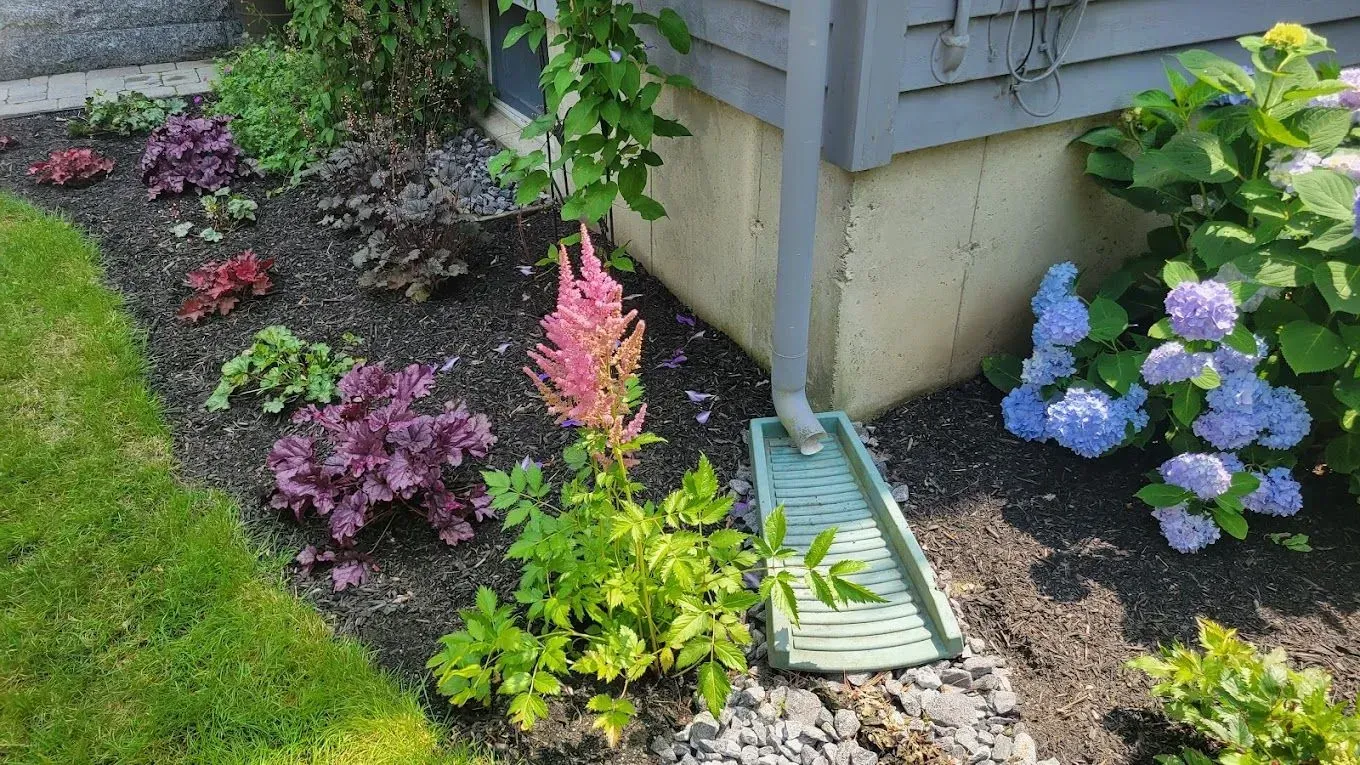
Landscape beds without physical edging require constant maintenance as turf roots invade planting areas and mulch spreads onto lawns during mowing or rain events. Professionally installed edging creates a permanent barrier that defines bed perimeters, contains mulch and rock materials, and eliminates the manual trenching that homeowners repeat every few months. The work improves both appearance and function across residential and commercial properties, integrating with existing mulch, rock, and plant installations throughout Melbourne landscapes.
Edging material affects installation method and longevity. Metal steel edging provides clean lines and resists ground movement but requires professional installation to achieve proper depth and curvature. Plastic edging costs less and installs faster but becomes brittle under UV exposure and frost heave, leading to cracking and displacement within three to five years. Stone or paver edging creates substantial visual borders but demands precise base preparation and ongoing releveling as soil settles. Installation depth determines whether roots and rhizomes bypass the barrier—edging must extend at least four inches below grade to block aggressive spreaders like St. Augustine grass common to Florida lawns.
Arrange a property assessment to review bed layouts and determine which edging material suits your landscape design and budget.
Precision installation involves marking bed perimeters to match landscape curves and architectural features, trenching to proper depth for material type, and securing edging with stakes or soil compaction to prevent frost heave or mower displacement. Joints between sections are fitted tightly to eliminate gaps where turf can penetrate, and top edges are set flush with soil grade or slightly above depending on mowing clearance needs.
You notice crisp separation between turf and planting areas that persists through mowing cycles and weather events, contained mulch that no longer spills onto adjacent grass, and beds that maintain their intended shape without manual re-cutting. Mowing becomes faster because trimmer work along bed edges is eliminated, and landscape materials stay where they're placed rather than migrating during irrigation or storms. Weed control improves because turf can't creep into beds from the edges, reducing the perimeter where invasive grasses establish.
The service includes trench excavation, material installation, and cleanup of displaced soil. It does not include bed redesign or changes to existing plant locations, though edging installation often coordinates with mulching or landscape updates. Edging integrates with irrigation systems by maintaining clearance around sprinkler heads and drip lines, and it accommodates future adjustments if beds are expanded or reconfigured.
Questions Before Starting Your Edging Project
Edging installation raises practical questions about materials, cost, and how the work affects existing landscape features. These answers clarify what happens during typical projects in Melbourne.
What edging material lasts longest in Florida conditions?
Steel edging resists corrosion when powder-coated and maintains shape through soil movement and temperature swings, outlasting plastic alternatives by decades in high-moisture coastal environments.
How deep does edging need to be installed?
Minimum four-inch depth below grade blocks root penetration from aggressive turf species, though six inches provides better long-term containment in areas with established grass or bamboo.
Why does some edging shift or rise out of the ground over time?
Insufficient staking, shallow installation, or frost heave in areas with temperature fluctuations all cause displacement, which is why proper depth and secure fastening matter during initial installation.
How does edging affect mower access along bed borders?
Top edges set at or slightly below turf grade allow mower wheels to roll over the border without blade contact, eliminating scalping while maintaining clean separation.
What happens to existing plants during edging installation?
Trenching occurs at the bed perimeter away from root zones, though plants located directly at borders may need temporary relocation or root pruning if bed lines are adjusted during installation.
Thomas Quality LLC installs garden bed edging with attention to landscape flow and long-term material performance. Contact us to schedule a consultation that reviews your bed layouts and recommends edging solutions tailored to your Melbourne property's specific needs.